 2000–2007W30 SelectedW30Engine not documented for this generationEngine not documentedSee faults & what to checkPhoto: Mytho88 via Wikimedia Commons, CC BY-SA 3.0.
Toyota1989–2007 Critical issues documented
Toyota MR-S: common faults & what to check
Thinking about buying a used Toyota MR-S (1989–2007) in New Zealand? We've documented 7 known faults for this model spanning cooling, transmission, brakes, and engine. Each researched and verified before it's published. The most serious issues here are rated critical. Every one is listed below with its symptoms and repair cost, and each has its own page with where to look and what to ask the seller. Free, no account needed.
Check this exact Toyota MR-S
- Odometer history
- Money owing
- Reported stolen
- Ownership history
7
Critical
$600–$2,000
5
You're looking at the W30
2000–2007W30 SelectedW30Engine not documented for this generationEngine not documentedSee faults & what to checkPhoto: Mytho88 via Wikimedia Commons, CC BY-SA 3.0.Now narrow it to the engine
A 2000 Toyota MR-S is the W30 generation (2000 to 2007).
We cannot narrow the engine list to this year, so every engine this model was sold with is offered.
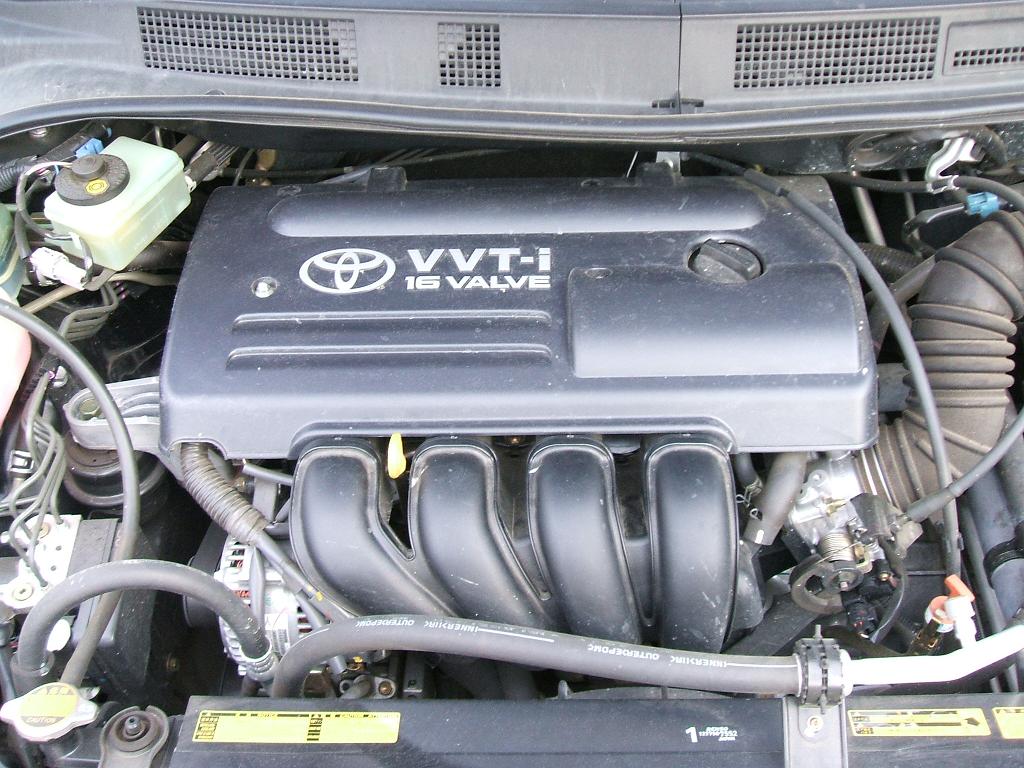 Example of the 1ZZ-FE family, not this car's engine
Start your free check on this Toyota MR-S
Toyota MR-S W30 1.8L petrol (1ZZ-FE)
Applies to this engine
Toyota MR-S · 2000 · 1.8L petrol (1ZZ-FE)
Narrowed to the 1ZZ-FE. Faults documented for a different engine in this model are not shown.
matched on engine code 1ZZ-FE
What to look out for
Serious issue
Perform a cold-start and watch exhaust colour — white smoke that persists beyond warm-up is a key indicator.
1ZZ-FE head gasket failure — coolant loss & white smoke
The mid-mounted 1ZZ-FE in the ZZW30 MR2 Spyder is prone to head gasket failure caused by difficulty fully bleeding air from the cooling system and hot spots created by the engine's rear mid-ship location and restricted cooling airflow. The cylinder head gasket degrades under repeated heat cycles, allowing combustion gases to enter the coolant circuit or coolant to enter the combustion chamber. White sweet-smelling exhaust smoke, unexplained coolant loss, and rising coolant temperature are the primary indicators. Engine removal is required for repair in this chassis, making this a significant and expensive repair.
What you would notice
Costly issue
Check oil level and ask when it was last topped up.
1ZZ-FE excessive oil consumption from piston ring wear
The 1ZZ-FE engine fitted to base W30 MR2 Spyders shares the well-documented piston ring design flaw found across the Corolla/Matrix/MR2 1ZZ family. Piston oil control rings wear prematurely and lose tension, allowing oil to pass into the combustion chamber. Consumption rates of 1 litre per 1,000 km are common and can exceed that in neglected examples. This is distinct from head gasket or valve stem seal failure. Toyota issued a Technical Service Bulletin (TSB TC002-04) for the Corolla/Matrix and the same rings are used in the MR2 Spyder application.
What you would notice
Costly issue
With roof down, pour a small amount of water into the roof channel drains and verify it exits under the sills.
Water ingress from blocked soft-top drain tubes
The W30 MR2 Spyder soft top has four drain tubes routed to exit under the sills. These tubes are narrow and accumulate leaf litter and debris, blocking completely. When blocked, rainwater pools in the roof framework channels and finds its way into the cabin — typically saturating the rear bulkhead carpet, corroding the battery tray, and filling the storage pockets behind the seats. Prolonged water ingress causes ECU connector corrosion and electrical gremlins. The chassis rails in the sill area also rust from inside where standing water collects.
What you would notice
Costly issue
Operate the roof through a complete open-close cycle.
Soft-top hydraulic pump motor failure (Spyder convertible)
The W30 MR2 Spyder features a power-operated soft top using a hydraulic pump motor to drive rams that raise and lower the hood. The pump motor brushes wear out with age and the motor housing seals allow moisture ingress, causing internal corrosion and motor seizure. A failed pump leaves the soft top inoperable mid-cycle — potentially stuck open or partially raised. The pump relay also fails independently. Replacement OEM pump motors are discontinued; aftermarket and rebuilt units are available but quality varies.
What you would notice
All 5 issues for this one
2 rated criticalEngine, transmission & cooling1 critical
011ZZ-FE head gasket failure — coolant loss & white smoke
CommonCooling $2,600–$5,800 to fix
The mid-mounted 1ZZ-FE in the ZZW30 MR2 Spyder is prone to head gasket failure caused by difficulty fully bleeding air from the cooling system and hot spots created by the engine's rear mid-ship location and restricted cooling airflow. The cylinder head gasket degrades under repeated heat cycles, allowing combustion gases to enter the coolant circuit or coolant to enter the combustion chamber. White sweet-smelling exhaust smoke, unexplained coolant loss, and rising coolant temperature are the primary indicators. Engine removal is required for repair in this chassis, making this a significant and expensive repair.
Example of the part — not this vehicleA Toyota VVT-i 16-valve four of this family, transverse, with its four-branch intake manifold below the cover.
Symptoms to notice
What to check
Ask the seller
021ZZ-FE excessive oil consumption from piston ring wear
Very commonEngine $2,500–$6,000 to fix
The 1ZZ-FE engine fitted to base W30 MR2 Spyders shares the well-documented piston ring design flaw found across the Corolla/Matrix/MR2 1ZZ family. Piston oil control rings wear prematurely and lose tension, allowing oil to pass into the combustion chamber. Consumption rates of 1 litre per 1,000 km are common and can exceed that in neglected examples. This is distinct from head gasket or valve stem seal failure. Toyota issued a Technical Service Bulletin (TSB TC002-04) for the Corolla/Matrix and the same rings are used in the MR2 Spyder application.
Example of the part — not this vehicleA Toyota VVT-i 16-valve four of this family, transverse, with its four-branch intake manifold below the cover.
Symptoms to notice
What to check
Ask the seller
Body, brakes, suspension & interior
03Soft-top hydraulic pump motor failure (Spyder convertible)
CommonBody & Rust $600–$2,000 to fix
The W30 MR2 Spyder features a power-operated soft top using a hydraulic pump motor to drive rams that raise and lower the hood. The pump motor brushes wear out with age and the motor housing seals allow moisture ingress, causing internal corrosion and motor seizure. A failed pump leaves the soft top inoperable mid-cycle — potentially stuck open or partially raised. The pump relay also fails independently. Replacement OEM pump motors are discontinued; aftermarket and rebuilt units are available but quality varies.
Example of the part — not this vehicleA Toyota VVT-i 16-valve four of this family, transverse, with its four-branch intake manifold below the cover.
Symptoms to notice
What to check
Ask the seller
04Water ingress from blocked soft-top drain tubes
Very commonBody & Rust $200–$1,500 to fix
The W30 MR2 Spyder soft top has four drain tubes routed to exit under the sills. These tubes are narrow and accumulate leaf litter and debris, blocking completely. When blocked, rainwater pools in the roof framework channels and finds its way into the cabin — typically saturating the rear bulkhead carpet, corroding the battery tray, and filling the storage pockets behind the seats. Prolonged water ingress causes ECU connector corrosion and electrical gremlins. The chassis rails in the sill area also rust from inside where standing water collects.
Example of the part — not this vehicleA Toyota VVT-i 16-valve four of this family, transverse, with its four-branch intake manifold below the cover.
Symptoms to notice
What to check
Ask the seller
Only with a certain gearbox: 1 issue
Engine, transmission & cooling
01SMT sequential manual transmission actuator and solenoid failure
Can't confirm for this car
CommonTransmission $1,500–$5,500 to fix
Can't confirm for this car
The W30 MR2 Spyder was offered with Toyota's Sequential Manual Transmission (SMT), a robotised single-clutch automated manual gearbox. The hydraulic actuator that operates the clutch and shift forks relies on solenoid valves which fail with age. Failure modes include: clutch slipping under load, inability to engage a gear, harsh or refused downshifts, and complete loss of drive. The SMT control unit can also develop faults. Parts are now difficult to source through Toyota dealers and specialist rebuilders charge significant labour for diagnosis and repair. Many owners have converted to standard manual transmissions.
Symptoms to notice
What to check
Ask the seller
Other Toyota MR-S engines and years
Engine, transmission & cooling
01Coolant hose deterioration — mid-engine routing past exhaust
Does not apply
Very commonCooling $400–$1,200 to fix
Does not apply
Unconfirmed. This entry does not match our record of which engines and years this model was sold with, and is awaiting review. Confirm it against the car before acting on it.
The W20 MR2 routes coolant hoses from the front-mounted radiator through the firewall and past the mid-mounted exhaust components before reaching the engine. This extended routing exposes multiple hoses and the coolant expansion tank to sustained heat cycling. Original rubber hoses become hard, brittle and prone to cracking after 15–20 years. A burst hose can cause rapid coolant loss leading to overheating and head gasket or engine damage within minutes — especially dangerous in traffic. The steel coolant pipes that run through the sill/firewall area also corrode from the outside.
Symptoms to notice
What to check
Ask the seller
Body, brakes, suspension & interior
01Brake master cylinder remote reservoir hose cracking
Does not apply
OccasionalBrakes $150–$600 to fix
Does not apply
Unconfirmed. This entry does not match our record of which engines and years this model was sold with, and is awaiting review. Confirm it against the car before acting on it.
The W20 MR2 uses a remote brake fluid reservoir mounted in the front luggage compartment, connected to the master cylinder by a rubber hose. This hose ages and cracks, causing air ingestion into the brake circuit. Because the hose is flexible and may only leak under vacuum (when the pedal is released), the failure can be intermittent and hard to diagnose. The result is a spongy or sinking brake pedal. On cars with ABS the hydraulic modulator O-rings also deteriorate, contributing to brake fluid loss from the ABS unit.
Symptoms to notice
What to check
Ask the seller
Looking at a Toyota MR-S for sale?
- Odometer history
- Money owing
- Reported stolen
- Ownership history
What these repairs cost on other cars
Some of the Toyota MR-S’s documented faults are repairs other models share. Each page lists the documented NZ cost for every model it affects.
Other Toyota models
Toyota MR-S buyer questions
Is the Toyota MR-S reliable?
Like any used car, it depends on the specific example and its service history. Across the 7 documented faults for the Toyota MR-S, the recurring problem areas are cooling, transmission, and brakes. A Toyota MR-S with a full service history and no signs of the issues listed on this page can be a sound buy but each one needs to be checked individually before you commit.
What are the most common problems with a used Toyota MR-S?
We've catalogued 7 known faults for the Toyota MR-S, covering cooling, transmission, and brakes. All 7 are written out in full on this page, with the symptoms to notice, what to inspect, and typical repair costs for each. Free to read, no account needed.
How much do repairs cost on a Toyota MR-S?
Most single repairs on the Toyota MR-S fall between $600–$2,000 at NZ independent-workshop rates. Some of the 7 documented faults cost less and a few cost considerably more, and no one car needs them all. Knowing which ones to look for before you view is what lets you negotiate the price down or walk away.
Should I get a pre-purchase inspection on a Toyota MR-S?
Yes. A Toyota MR-S inspection focused on its known weak points is the single best way to avoid an expensive mistake. KickTyres gives you a guided, model-specific inspection plus a market valuation and negotiation figure for $24.90 far less than the cost of missing one of the faults on this page.