 1999–2006ZZT231ZZT2311.8 petrolPetrolSee faults & what to checkPhoto: IFCAR via Wikimedia Commons, Public domain.
Toyota1993–2006 Critical issues documented
Toyota Celica: common faults & what to check
Thinking about buying a used Toyota Celica (1993–2006) in New Zealand? We've documented 17 known faults for this model spanning engine, transmission, cooling, and suspension. Each researched and verified before it's published. The most serious issues here are rated critical. Every one is listed below with its symptoms and repair cost, and each has its own page with where to look and what to ask the seller. Free, no account needed.
Check this exact Toyota Celica
- Odometer history
- Money owing
- Reported stolen
- Ownership history
17
Critical
$450–$1,500
15
Which Toyota Celica are you looking at?
Petrol
1999–2006ZZT231ZZT2311.8 petrolPetrolSee faults & what to checkPhoto: IFCAR via Wikimedia Commons, Public domain.Engine not documented

Now narrow it to the engine
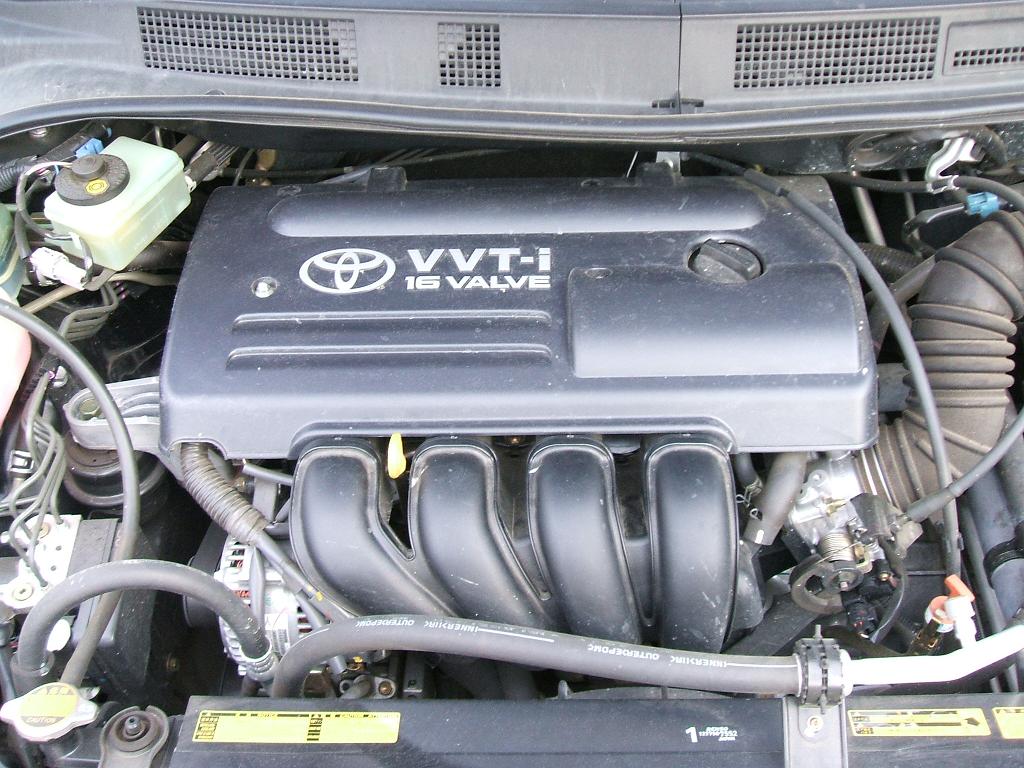 Example of the 1ZZ-FE family, not this car's engine
Start your free check on this Toyota Celica
Toyota Celica 1.8L petrol (1ZZ-FE)
Applies to this engine
Toyota Celica · 1.8L petrol (1ZZ-FE)
Narrowed to the 1ZZ-FE. Faults documented for a different engine in this model are not shown.
matched on engine code 1ZZ-FE
What to look out for
Costly issue
Arrange to start the engine completely cold — if the vendor has warmed it up before your inspection, request to return when cold.
1ZZ-FE timing chain tensioner cold-start rattle
The 1ZZ-FE hydraulic timing chain tensioner loses oil pressure after extended rest periods due to a weak check valve and internal bleed-down. On cold start, a pronounced metallic rattling noise persists for two to five seconds from the front of the engine until oil pressure builds and the tensioner re-extends. Toyota issued revised tensioner components to address this fault. Repeated cycling fatigues the tensioner ratchet mechanism over time, and a failed tensioner risks chain jump leading to valve-to-piston contact and catastrophic internal damage. This is the single most common mechanical fault reported on ZZT230 models in NZ.
What you would notice
Costly issue
Check oil level frequently.
1ZZ-FE Oil Consumption from Piston Ring Wear
The 1ZZ-FE 1.8 in the ZZT230 Celica consumes oil at elevated rates from piston ring wear and valve stem seal degradation on high-mileage examples. Oil consumption above 1 litre per 5000km is abnormal.
What you would notice
Costly issue
With engine cold, inspect the lower radiator tank seam for cracks or coolant staining.
Radiator lower tank cracking and coolant loss (ZZT231)
The ZZT231 Celica uses a plastic-tanked aluminium core radiator. The lower plastic tank develops cracks at the crimped joint with the aluminium core after approximately 10–15 years, leading to coolant seepage and eventually a significant leak. The failure is accelerated by pressure cycling and the high underbonnet temperatures associated with the 2ZZ-GE. Coolant loss causes overheating and risks head gasket damage, particularly serious given the existing oil consumption vulnerabilities of the 2ZZ-GE.
What you would notice
Costly issue
Inspect the boot for splitting.
Front Lower Arm Ball Joint Wear
Front lower arm ball joints wear causing clunking and handling imprecision on the lightweight Celica.
What you would notice
Costly issue
Check for pulling under braking.
Brake Caliper Guide Pin Seizure
Front brake caliper guide pins seize from corrosion causing uneven pad wear.
What you would notice
Costly issue
On a wet or gravel surface, the AWD should pull evenly — excessive understeer suggests centre diff wear.
AWD centre differential clutch pack wear (ST205 GT-Four)
The ST205 Celica GT-Four uses a viscous-coupling centre differential and front/rear torque-split system. The centre differential clutch packs wear progressively, causing the AWD system to default toward understeer and reduced traction on loose or wet surfaces as the coupling loses its ability to transfer torque to the front axle. Worn centre diff is difficult to diagnose without a proper four-wheel rolling road or drive on varying surfaces. The condition is common on cars with high mileage or that have been driven hard on track. Rebuild or replacement involves significant disassembly of the transmission tunnel.
What you would notice
All 11 issues for this one
Engine, transmission & cooling
011ZZ-FE Oil Consumption from Piston Ring Wear
CommonEngine $500–$3,000 to fix
The 1ZZ-FE 1.8 in the ZZT230 Celica consumes oil at elevated rates from piston ring wear and valve stem seal degradation on high-mileage examples. Oil consumption above 1 litre per 5000km is abnormal.
Example of the part — not this vehicleA Toyota VVT-i 16-valve four of this family, transverse, with its four-branch intake manifold below the cover.
Symptoms to notice
What to check
Ask the seller
021ZZ-FE timing chain tensioner cold-start rattle
03Radiator lower tank cracking and coolant loss (ZZT231)
Electrical
04Electric Power Steering Rack Rattle
CommonElectrical $600–$2,200 to fix
EPS rack develops internal rattle at low speeds over rough surfaces. Common on higher-mileage examples.
Example of the part — not this vehicleA Toyota VVT-i 16-valve four of this family, transverse, with its four-branch intake manifold below the cover.
Symptoms to notice
What to check
Ask the seller
Body, brakes, suspension & interior
05Front Lower Arm Ball Joint Wear
CommonSuspension $300–$700 to fix
Front lower arm ball joints wear causing clunking and handling imprecision on the lightweight Celica.
Example of the part — not this vehicleA Toyota VVT-i 16-valve four of this family, transverse, with its four-branch intake manifold below the cover.
Symptoms to notice
What to check
Ask the seller
06Brake Caliper Guide Pin Seizure
CommonBrakes $150–$500 to fix
Front brake caliper guide pins seize from corrosion causing uneven pad wear.
Example of the part — not this vehicleA Toyota VVT-i 16-valve four of this family, transverse, with its four-branch intake manifold below the cover.
Symptoms to notice
What to check
Ask the seller
07Rear hatch and tailgate corner corrosion
OccasionalBody & Rust $300–$1,500 to fix
The Celica hatch develops rust in the lower corners and around the glass seal and spoiler mounts as the seal ages and traps moisture, leading to bubbling paint and perforation at the bottom edge of the tailgate.
Example of the part — not this vehicleA Toyota VVT-i 16-valve four of this family, transverse, with its four-branch intake manifold below the cover.
Symptoms to notice
What to check
Ask the seller
08Rear Suspension Trailing Arm Bush Collapse
CommonSuspension $300–$800 to fix
Rear trailing arm bushes harden and collapse causing rear knocking and toe changes.
Example of the part — not this vehicleA Toyota VVT-i 16-valve four of this family, transverse, with its four-branch intake manifold below the cover.
Symptoms to notice
What to check
Ask the seller
09Front strut mount bearing failure — steering click
CommonSuspension $260–$720 to fix
The upper strut mount thrust bearing on ZZT231 models wears and corrodes over time, accelerated by NZ road conditions, wet weather exposure, and the age profile of these imports. A worn bearing causes the strut to bind when the wheel is steered under suspension compression, then release suddenly over a bump, producing a distinct single or repeated click from the front suspension. In advanced cases the bearing can seize, causing the strut body to rotate with steering inputs and damaging the strut top mount. Replacement is straightforward and inexpensive but frequently deferred.
Example of the part — not this vehicleA Toyota VVT-i 16-valve four of this family, transverse, with its four-branch intake manifold below the cover.
Symptoms to notice
What to check
Ask the seller
Only if it's 4WD or AWD: 1 issue
01AWD centre differential clutch pack wear (ST205 GT-Four)
Can't confirm for this car
OccasionalTransmission $2,500–$7,000 to fix
Can't confirm for this car
The ST205 Celica GT-Four uses a viscous-coupling centre differential and front/rear torque-split system. The centre differential clutch packs wear progressively, causing the AWD system to default toward understeer and reduced traction on loose or wet surfaces as the coupling loses its ability to transfer torque to the front axle. Worn centre diff is difficult to diagnose without a proper four-wheel rolling road or drive on varying surfaces. The condition is common on cars with high mileage or that have been driven hard on track. Rebuild or replacement involves significant disassembly of the transmission tunnel.
Symptoms to notice
What to check
Ask the seller
Only with a certain gearbox: 1 issue
016-speed C60 clutch and third-gear synchro wear
Can't confirm for this car
OccasionalTransmission $800–$2,200 to fix
Can't confirm for this car
The C60 6-speed in the GT/SX wears clutches early with spirited driving and can develop worn synchros, most often on 2nd and 3rd, giving a crunch on quick shifts. Clutch judder and high bite point indicate imminent replacement.
Symptoms to notice
What to check
Ask the seller
Other Toyota Celica engines and years
Engine, transmission & cooling
012ZZ-GE excessive oil consumption from piston ring design
Does not apply022ZZ-GE VVTL-i Lifter Snap at High RPM
Does not apply
OccasionalEngine $1,500–$6,000 to fix
Does not apply
The ZZT231 Celica 2ZZ-GE 1.8 VVTL-i engine uses a secondary lobe lifter that physically snaps under the high-lift cam at 6200rpm. These lifters can fracture when operating under sustained high rpm, allowing a broken fragment to circulate through the engine and cause catastrophic damage to the cam, head, and piston crowns. This is a known documented failure on the 2ZZ-GE and must be checked on any high-mileage example.
Symptoms to notice
What to check
Ask the seller
03Head gasket failure — ST205 GT-Four (3S-GTE turbo)
Does not apply042ZZ-GE VVTL-i cam actuator oil screen blockage
Does not apply053S-GE BEAMS VVT-i oil control solenoid blockage
Does not apply062ZZ-GE VVTL-i oil pressure switch premature failure
Does not apply
OccasionalEngine $200–$650 to fix
Does not apply
The dedicated oil pressure switch that signals the ECM when sufficient hydraulic pressure exists to safely actuate the VVTL-i high-lift cam mechanism can fail open or closed. A switch failed in the closed position causes the ECM to command high-lift cam engagement prematurely below the designed 6200 rpm threshold, producing a surge or hesitation at unexpected RPM and potentially causing VVTL-i related fault codes. A switch failed open prevents lift engagement entirely, confining the engine to its low-lift power curve and suppressing the secondary power surge. Switch failure is distinct from but often confused with the cam actuator oil screen blockage.
Symptoms to notice
What to check
Ask the seller
Toyota Celica service schedule
Toyota Celica (7th Generation) · 2000–2006 · 1.8L 1ZZ-FE (105kW) - SS-I / Base
Due by distance
- 150,000 km
Make sure the struts and shock absorbers have been checked for leaks or for no longer damping well.
- 200,000 km
Check the radiator and coolant hoses, as the rubber breaks down with age.
- 250,000 km
Keep an eye on the starter motor and alternator, which often reach the end of their intended life about here.
Toyota Celica (7th Generation) · 2000–2006 · 1.8L 2ZZ-GE (140kW) - SS-II Super Strut Package
Due by distance
- 150,000 km
Refresh the cooling system in full, radiator and thermostat included.
- 200,000 km
Check the timing chain tensioner and go over the suspension bushings.
- 250,000 km
Assess the clutch, and new engine mounts may be needed to keep the cabin comfortable.
Toyota Celica (6th Generation - Late Imports) · 2000–2002 · 2.0L 3S-FE (103kW) - SS-I
Due by distance
- 150,000 km
Find out whether the timing belt was replaced recently, as the 3S-FE is an interference engine.
- 200,000 km
Give the cooling system a full health check, radiator and hoses included, as the plastics go brittle at this age.
- 250,000 km
Suspension bushings and ball joints usually reach their limit here, which shows in how precisely the car handles.
Toyota Celica (6th Generation - Late Imports) · 2000–2001 · 2.0L 3S-GTE (178kW) - GT-Four AWD
Due by distance
- 100,000 km
This is the second or third timing belt interval, and it matters that there is paperwork for it.
- 150,000 km
Suspension bushings and cooling system parts such as the radiator can start showing their age here.
- 200,000 km
By this stage it is wise to look at the condition of the turbocharger and its seals.
Toyota Celica (6th Generation - Late Imports) · 2000–2002 · 2.0L 3S-GE (125kW) - SS-II
Due by distance
- 150,000 km
Review the cooling system, including the hoses and the condition of the radiator.
- 200,000 km
An important milestone where the suspension bushings and engine mounts usually need a fresh look to keep the handling sharp.
- 250,000 km
Keep checking the fuel pump and alternator from time to time so the car stays reliable.
Looking at a Toyota Celica for sale?
- Odometer history
- Money owing
- Reported stolen
- Ownership history
Toyota Celica faults in detail
What these repairs cost on other cars
Some of the Toyota Celica’s documented faults are repairs other models share. Each page lists the documented NZ cost for every model it affects.
Other Toyota models
Toyota Celica buyer questions
Is the Toyota Celica reliable?
Like any used car, it depends on the specific example and its service history. Across the 17 documented faults for the Toyota Celica, the recurring problem areas are engine, transmission, and cooling. A Toyota Celica with a full service history and no signs of the issues listed on this page can be a sound buy but each one needs to be checked individually before you commit.
What are the most common problems with a used Toyota Celica?
We've catalogued 17 known faults for the Toyota Celica, covering engine, transmission, and cooling. All 17 are written out in full on this page, with the symptoms to notice, what to inspect, and typical repair costs for each. Free to read, no account needed.
How much do repairs cost on a Toyota Celica?
Most single repairs on the Toyota Celica fall between $450–$1,500 at NZ independent-workshop rates. Some of the 17 documented faults cost less and a few cost considerably more, and no one car needs them all. Knowing which ones to look for before you view is what lets you negotiate the price down or walk away.
Should I get a pre-purchase inspection on a Toyota Celica?
Yes. A Toyota Celica inspection focused on its known weak points is the single best way to avoid an expensive mistake. KickTyres gives you a guided, model-specific inspection plus a market valuation and negotiation figure for $24.90 far less than the cost of missing one of the faults on this page.