The clean car standard is staying, what that means for a used buyer
The Government has kept the emissions standard on imported vehicles and set separate, softer targets for used imports from 2028. Here is what that does to what lands on NZ forecourts, and to what you pay.
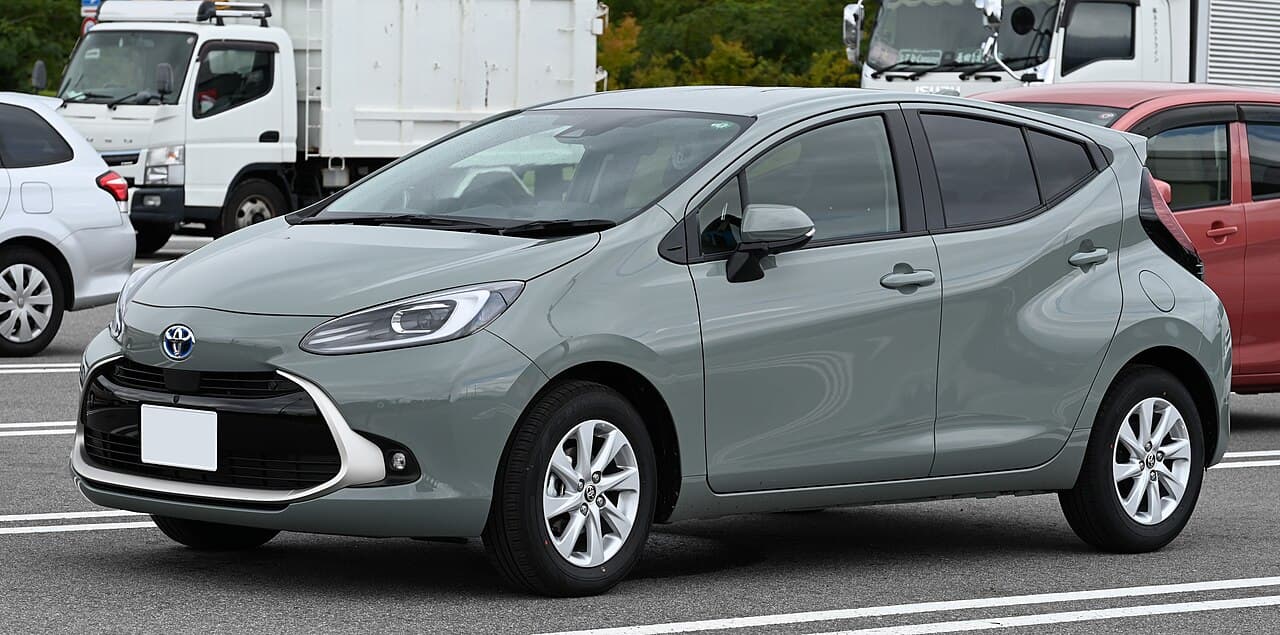
After months of talk about scrapping it, the Government confirmed in August 2026 that the Clean Vehicle Standard stays, for new imports and for used ones. Transport Minister Chris Bishop put it as the most cost-effective way to get lower-emissions vehicles onto New Zealand roads. Recalibrated targets take effect on 1 January 2028.
If you are buying a used car here, that is not abstract policy. Almost every affordable car on a New Zealand forecourt arrived as a used import, and the standard is a charge on the importer that lands in the windscreen price.
What the rule actually does
The standard sets an average emissions target across everything an importer brings in over a year. Miss the target and you pay per gram over it. The current rates are $15 per gram for new vehicles and $7.50 per gram for used ones, and those reduced rates run to the end of 2027.
The important change is that used imports now get their OWN targets, separate from new. That recognises something obvious that the previous settings did not: a nine-year-old Japanese hatchback cannot carry the emissions technology of a car designed in 2026, and judging it against one only made the cheap end of the market more expensive.
What it means for what you can buy
Two things follow, and they pull in opposite directions.
- 1.More variety at the cheap end. Softer used targets make it viable to import petrol cars an importer would otherwise have had to offset, so the shortlists at $8,000–$15,000 should widen rather than narrow.
- 2.A continuing tilt toward hybrids. Plug-in and hybrid vehicles were close to half of new sales last month, and a weak yen keeps Japanese hybrids and EVs landing cheaply. That flows into the used market two or three years behind.
The practical upshot for a buyer is that the hybrid you were treating as the sensible-but-pricey option is quietly becoming the ordinary option. Which raises the question nobody selling you one will answer.
The question a cheaper hybrid does not answer
A hybrid that lands here at nine years old has a traction battery with nine years on it, and that battery is the single largest thing that can go wrong with the car. It is also the one thing a test drive will not tell you about: a degraded pack still drives, it just does more of the work with the petrol engine and quietly costs you the fuel economy you bought the car for.
That is model-specific, not brand-specific. The Toyota Aqua and the Nissan Leaf age in completely different ways, and the Leaf's well-documented capacity loss in warm climates is not a fact about hybrids in general.
What to do with this
- Do not rush a purchase to "beat" the 2028 change. It is an importer target two years out, not a deadline for you.
- Widen your shortlist. If a petrol model was priced out of your range six months ago, look again.
- On any hybrid or EV, treat the battery as the headline item, not a footnote. Ask for a state-of-health reading and read the documented faults for that exact model before you view it.
Check the car, not just the category
Type the plate and see what is documented against that exact model, engine and year, free, no account.
Check the model before you view
Every documented fault for these models, with the years and engines each one applies to.
Frequently asked questions
Does the clean car standard mean used imports will get more expensive?
Not at the cheap end, and probably the opposite. The change made in August 2026 gives used imports their own, softer targets from 1 January 2028, recognising that older Japanese stock cannot match new-car emissions technology. That reduces the offsetting an importer has to do on ordinary petrol cars, which is where the cost pressure at the affordable end came from.
Do I pay the clean car charge when I buy a used car?
No. The standard is a target and a charge applied to importers across everything they bring in over a year, not a fee levied on you at purchase. It reaches you only indirectly, through what an importer chooses to bring in and what they price it at.
Is a nine-year-old imported hybrid a good buy in New Zealand?
It can be an excellent one, and the traction battery is the thing that decides it. A degraded pack does not stop the car. It quietly hands more of the work back to the petrol engine and takes the fuel economy you were buying with it. Get a state-of-health reading, and read the documented faults for that specific model and generation rather than treating "hybrid" as a category.
Keep reading