Australia's emissions rules are reshaping the used market
The NVES target tightened from 141g/km to 117g/km this year, and manufacturers are feeling it for the first time. Here is which used cars that helps, which it hurts, and what to do about it.
Australia's New Vehicle Efficiency Standard has been law since 2024, but 2025 was a soft start. This year is the first one that bites: the fleet target dropped from 141g/km to 117g/km, and manufacturers are carrying real financial exposure on it for the first time.
That is a new-car rule. It reaches the used market anyway, because the used market is just the new market three to eight years later, and because what a new car costs today sets the ceiling on what its predecessor is worth.
Who is exposed
The pressure is not spread evenly. It lands hardest on large, thirsty, low-volume vehicles, big V8s, performance coupes, heavy four-wheel drives, and hardest of all on brands that do not sell enough hybrids or EVs elsewhere in the range to offset the penalty with credits.
Efficient hybrids and EVs do the reverse: they EARN credits. A manufacturer with a strong hybrid line has a direct financial reason to price them keenly and to bring more of them here.
What this means if you are buying a used ute or 4WD
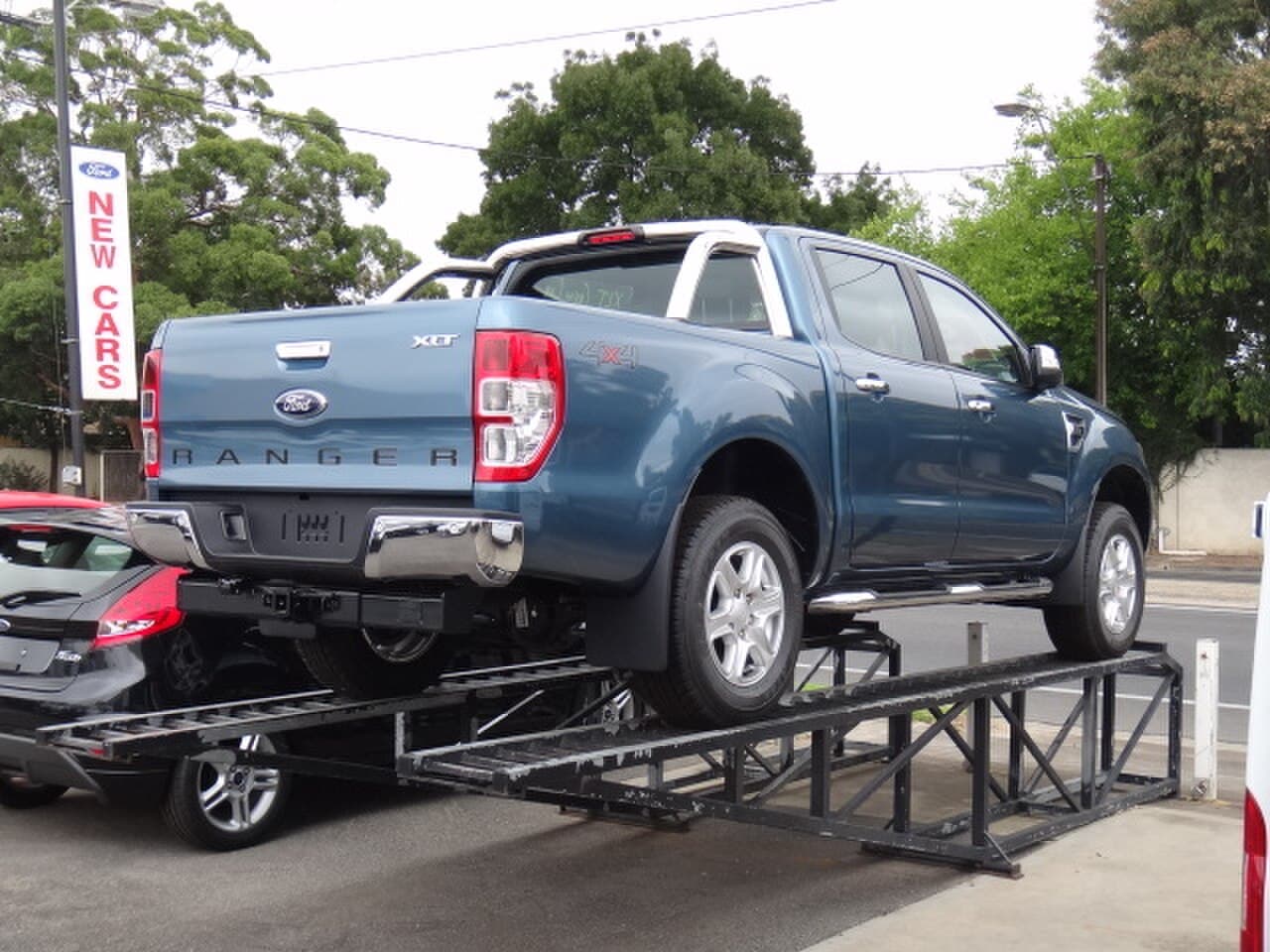
Dual-cab utes are the most-bought vehicles in the country and sit right in the exposed category. If you have been waiting for a used Ranger or HiLux to get cheaper, that is not the direction the rules push.
Which makes the condition of the one you buy matter more than the timing. A used dual-cab that has spent its life towing at capacity is a different vehicle from one that did school runs, and the difference shows up in specific, documented places: the DPF on a diesel that never got a long run, the turbo, the auto transmission behind a heavily-loaded tray.
And if you are buying a hybrid
The credit side of the standard is why hybrids keep appearing at prices that look too good. They are not too good: the manufacturer has a reason to price them there. The thing to check is the same as it always was: the battery, and the specific faults documented for that model and generation.
The one thing worth doing
Broader market forces do not tell you whether the specific car in front of you is a good one. Before you view anything, read what is documented against that exact model, engine and year, what fails, at what mileage, and what the repair runs to. Ten minutes of that turns a viewing from a vibe check into an inspection.
Look up the car before you look at the car
Every documented fault for the model, engine and year, free, no account needed.
Check the model before you view
Every documented fault for these models, with the years and engines each one applies to.
Frequently asked questions
Does NVES apply to used cars in Australia?
No. The New Vehicle Efficiency Standard applies to NEW vehicles supplied to the Australian market, and it is a fleet-average target on the manufacturer rather than a charge on a buyer. It reaches the used market indirectly: what a new model costs, and how many of them are sold, sets what its used examples are worth a few years later.
Will used utes and 4WDs get cheaper because of the emissions rules?
The rules push the other way. Large, thirsty, low-volume vehicles are the most exposed to NVES penalties, so new prices on them are more likely to rise than fall, and when the new price rises, the used one firms up, because used becomes the cheap way into that model.
What should I check on a used dual-cab ute?
How it was used matters more than how old it is. A diesel that only ever did short trips is the classic DPF problem, and a heavily-worked tray puts the load through the turbo and the automatic transmission. Those are documented, model-specific faults with known mileage bands and repair costs, read them for the exact model and engine before you go and look at one.
Keep reading