 2007–nowR35R353.8 twin-turbo V6Fuel not statedSee faults & what to checkPhoto: Elise240SX via Wikimedia Commons, CC BY-SA 4.0.
Nissan1989–2024 Critical issues documented
Nissan GT-R: common faults & what to check
Thinking about buying a used Nissan GT-R (1989–2024) in New Zealand? We've documented 12 known faults for this model spanning transmission, engine, suspension, and brakes. Each researched and verified before it's published. The most serious issues here are rated critical. Every one is listed below with its symptoms and repair cost, and each has its own page with where to look and what to ask the seller. Free, no account needed.
Check this exact Nissan GT-R
- Odometer history
- Money owing
- Reported stolen
- Ownership history
12
Critical
$500–$2,800
5
Which Nissan GT-R are you looking at?
Fuel not stated
2007–nowR35R353.8 twin-turbo V6Fuel not statedSee faults & what to checkPhoto: Elise240SX via Wikimedia Commons, CC BY-SA 4.0.Engine not documented
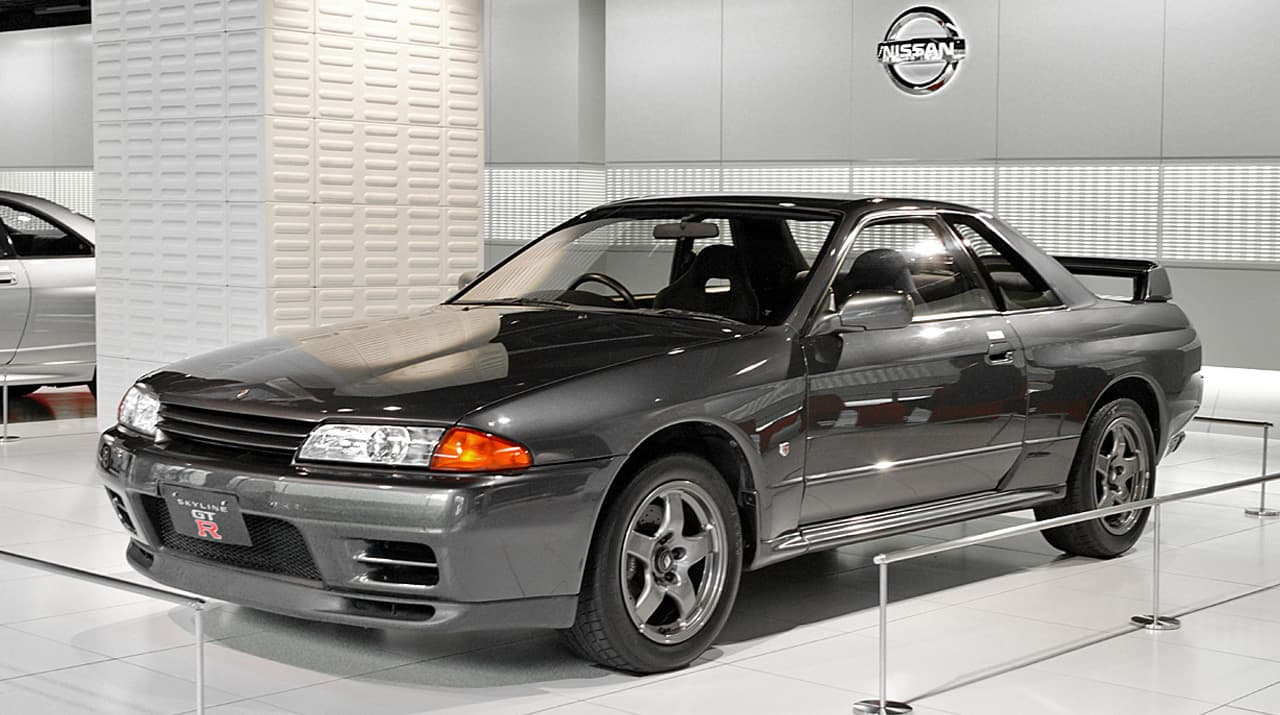 1989–1995R32R32Engine not documented for this generationEngine not documentedSee faults & what to checkPhoto: Tennen-Gas via Wikimedia Commons, CC BY-SA 3.0.
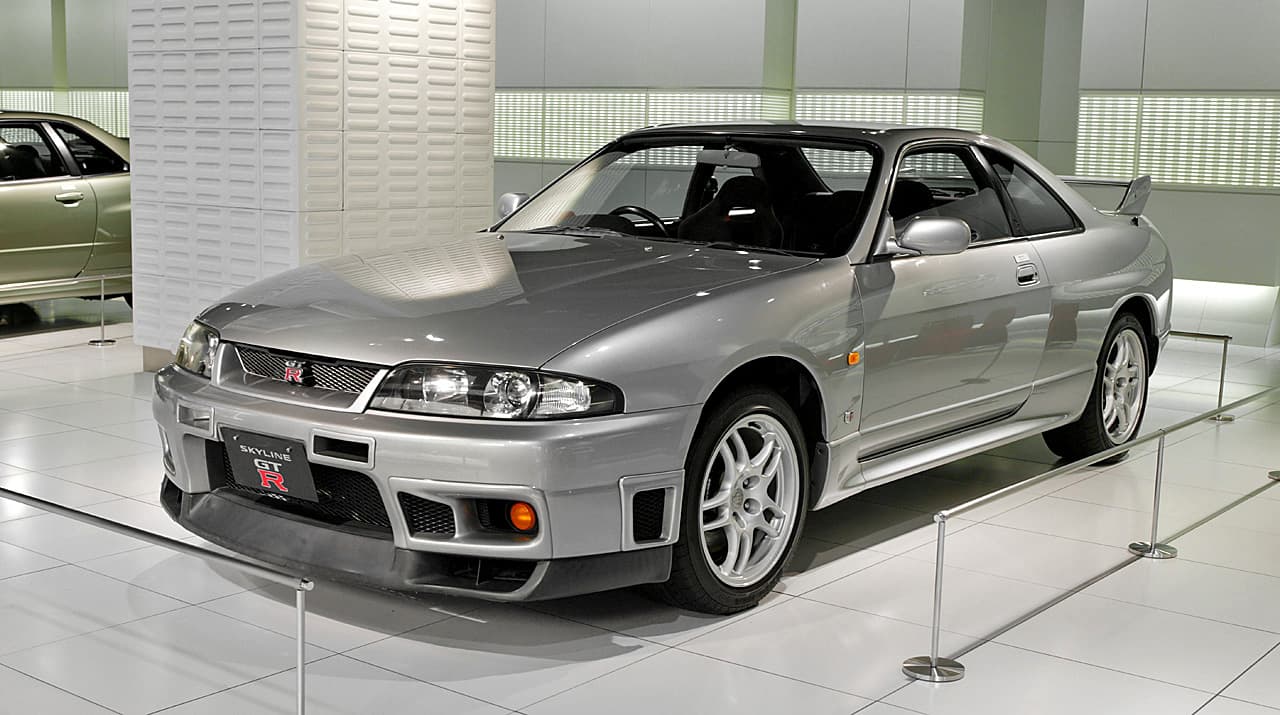 1993–1999R33R33Engine not documented for this generationEngine not documentedSee faults & what to checkPhoto: Tennen-Gas via Wikimedia Commons, CC BY-SA 3.0.
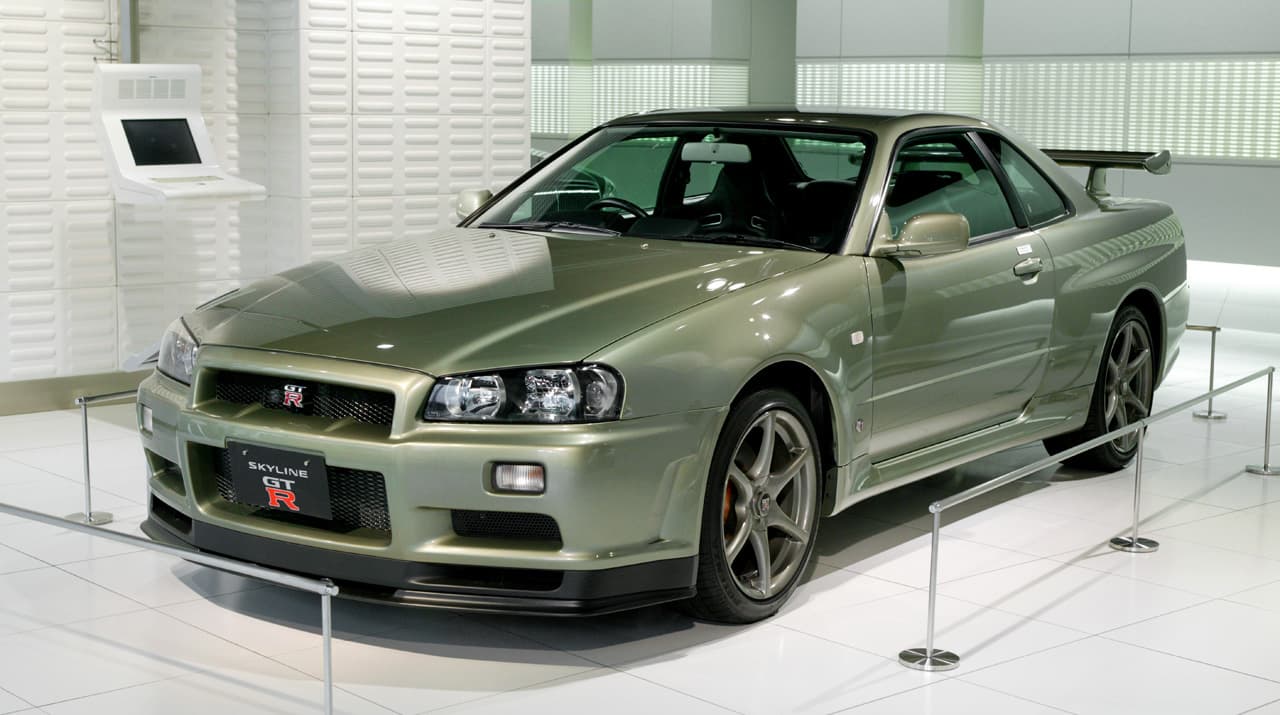 1998–2003R34R34Engine not documented for this generationEngine not documentedSee faults & what to checkPhoto: Tennen-Gas via Wikimedia Commons, CC BY-SA 3.0.
Now narrow it to the engine
Start your free check on this Nissan GT-R
Nissan GT-REngine not picked yet
Pick the engine above first: the GT-R came with 2, and without it the report has to show all of their faults. Pick the engine
Can't confirm for this car
Nissan GT-R
Nothing has been narrowed yet, so nothing below is a claim about a particular car. Pick a year and an engine to see which faults apply.
Tell us the engine, or check the engine code on the car, before relying on this.
matched on no vehicle context
What to look out for
Serious issue
Listen with the car stationary and running before you drive anywhere.
Bellhousing rattle — worn output shaft bearings, the R35's most common fault
This is the most frequently reported fault on the R35 and it comes from an unusual layout. Nissan bolted the bellhousing to the engine and connected it to the transaxle at the back of the car with a drive shaft, so the engine and bellhousing can move independently of the gearbox. The bearings on the shaft inside that bellhousing wear, the output shaft develops play, and the result is the rattle owners talk about — usually heard at idle or low revs and often mistaken for a clutch or gearbox fault. It is a genuine repair rather than a noise to live with, and Nissan's reluctance to supply individual gearbox parts is what makes GT-R driveline work expensive. It is also entirely separate from the transaxle's own heat-related failures, and the two cost very differently.
What you would notice
Serious issue
Inspect rubber boot for cracking or grease loss.
Front Lower Control Arm Ball Joint Wear
The front lower control arm ball joints on both R32 and R33 GT-R wear under the vehicle weight and handling loads. Failed or loose ball joints cause vague steering, tyre wear, and at extremes can separate causing a catastrophic loss of steering control. The arms are a multi-link design and replacement requires alignment afterwards.
What you would notice
Serious issue
Drive the car firmly through multiple gear changes and feel for any shudder or harshness.
GR6 dual-clutch transaxle complete failure from heat during track use
The Nissan GT-R uses a GR6 dual-clutch transaxle mounted at the rear. While exceptional for road use, sustained track driving generates heat that overwhelms the factory cooling capacity, leading to clutch pack overheating, solenoid failure and ultimately complete gearbox destruction. This is extensively documented in track-day communities and by Nissan-authorised GT-R specialists. A GR6 rebuild or replacement is one of the most expensive repairs in the enthusiast car market. Many used R35s in NZ/AU carry unknown track history, making pre-purchase gearbox inspection essential.
What you would notice
Serious issue
Have the oil drained and checked for metallic contamination before purchase.
VR38DETT connecting rod bearing failure from cold-launch abuse
The Nissan GT-R R35 VR38DETT engine is extremely sensitive to cold-start high-RPM launches. Nissan's own warranty policy explicitly voids coverage for engine damage resulting from launching the car before oil reaches operating temperature. The connecting rod bearings rely on full oil film for protection; a cold launch (oil below ~80°C) strips this film and spins or destroys a bearing within seconds. This failure pattern is extensively documented by Nissan-authorised workshops, specialist tuners and motorsport engineers. Many used R35s in NZ/AU have been launched cold, making bearing condition a critical pre-purchase check. Damage is internal and often gives no warning until a catastrophic knock develops.
What you would notice
Serious issue
Check oil pressure gauge response during test drive.
RB26DETT Oil Pump Drive Gear Failure
The RB26DETT oil pump is driven by a gear meshing directly off the crankshaft. Under sustained high-RPM use the drive gear and mating oil-pump gear teeth can strip or shear, causing immediate catastrophic loss of oil pressure and engine seizure within seconds. Documented extensively by Skyline specialists; more common on engines that have seen boost or RPM increases without gear upgrades.
What you would notice
Serious issue
Check the chassis number on the compliance plate or the import papers: R35-000001 to R35-100078 is inside the recall range.
R35 GT-R steering column recall: upper bearing can break (built October 2007 to May 2008)
Early R35 GT-Rs built from October 2007 to May 2008 were recalled in Japan (recall 3507, chassis R35-000001 to R35-100078) and in the US (recall 15V054) because the steering column outer tube could be made out of round. That overloads the upper column bearing, which can break and leave the steering wheel with too much up and down play; in an extreme case the column can come apart. The fix is a complete new steering column, done free by Nissan under the recall. On an import, there is often no record of whether the recall was done in Japan, so it needs checking.
What you would notice
See all 12 documented issues
Depends on which engine this Nissan GT-R has — 12
Engine, transmission & cooling
01GR6 dual-clutch transaxle complete failure from heat during track use
Can't confirm for this car
OccasionalTransmission $18,000–$40,000 to fix
Can't confirm for this car
The Nissan GT-R uses a GR6 dual-clutch transaxle mounted at the rear. While exceptional for road use, sustained track driving generates heat that overwhelms the factory cooling capacity, leading to clutch pack overheating, solenoid failure and ultimately complete gearbox destruction. This is extensively documented in track-day communities and by Nissan-authorised GT-R specialists. A GR6 rebuild or replacement is one of the most expensive repairs in the enthusiast car market. Many used R35s in NZ/AU carry unknown track history, making pre-purchase gearbox inspection essential.
Symptoms to notice
What to check
Ask the seller
02VR38DETT connecting rod bearing failure from cold-launch abuse
Can't confirm for this car
OccasionalEngine $10,000–$25,000 to fix
Can't confirm for this car
The Nissan GT-R R35 VR38DETT engine is extremely sensitive to cold-start high-RPM launches. Nissan's own warranty policy explicitly voids coverage for engine damage resulting from launching the car before oil reaches operating temperature. The connecting rod bearings rely on full oil film for protection; a cold launch (oil below ~80°C) strips this film and spins or destroys a bearing within seconds. This failure pattern is extensively documented by Nissan-authorised workshops, specialist tuners and motorsport engineers. Many used R35s in NZ/AU have been launched cold, making bearing condition a critical pre-purchase check. Damage is internal and often gives no warning until a catastrophic knock develops.
Symptoms to notice
What to check
Ask the seller
03Bellhousing rattle — worn output shaft bearings, the R35's most common fault
Can't confirm for this car04RB26DETT Oil Pump Drive Gear Failure
Can't confirm for this car
OccasionalEngine $4,000–$9,000 to fix
Can't confirm for this car
The RB26DETT oil pump is driven by a gear meshing directly off the crankshaft. Under sustained high-RPM use the drive gear and mating oil-pump gear teeth can strip or shear, causing immediate catastrophic loss of oil pressure and engine seizure within seconds. Documented extensively by Skyline specialists; more common on engines that have seen boost or RPM increases without gear upgrades.
Symptoms to notice
What to check
Ask the seller
05Intercooler Piping Clamp Boost Leak
Can't confirm for this car
CommonEngine $200–$700 to fix
Can't confirm for this car
The factory intercooler piping on both R32 and R33 GT-R uses spring-type band clamps that fatigue and lose clamping force over time. Silicone joiners crack with age. Boost leaks result in reduced power, spool lag, and may trigger lean running. Particularly common on cars where pipes have been removed for servicing and not re-clamped correctly.
Symptoms to notice
What to check
Ask the seller
Body, brakes, suspension & interior
01R35 GT-R steering column recall: upper bearing can break (built October 2007 to May 2008)
Can't confirm for this car
RareSuspension $0–$5,000 to fix
Can't confirm for this car
Early R35 GT-Rs built from October 2007 to May 2008 were recalled in Japan (recall 3507, chassis R35-000001 to R35-100078) and in the US (recall 15V054) because the steering column outer tube could be made out of round. That overloads the upper column bearing, which can break and leave the steering wheel with too much up and down play; in an extreme case the column can come apart. The fix is a complete new steering column, done free by Nissan under the recall. On an import, there is often no record of whether the recall was done in Japan, so it needs checking.
Symptoms to notice
What to check
Ask the seller
02Front Lower Control Arm Ball Joint Wear
Can't confirm for this car
CommonSuspension $400–$900 to fix
Can't confirm for this car
The front lower control arm ball joints on both R32 and R33 GT-R wear under the vehicle weight and handling loads. Failed or loose ball joints cause vague steering, tyre wear, and at extremes can separate causing a catastrophic loss of steering control. The arms are a multi-link design and replacement requires alignment afterwards.
 Example of the part — not this vehicle
A separated lower ball joint: the control arm has dropped and the wheel has splayed out under the guard.
Symptoms to notice
What to check
Ask the seller
03Brake rotor wear and high replacement cost
Can't confirm for this car
CommonBrakes $2,000–$15,000 to fix
Can't confirm for this car
The R35's large factory brakes (and optional carbon-ceramics) wear discs and pads quickly under spirited use, and replacements are very expensive. Warped or cracked rotors are common on tracked examples.
Symptoms to notice
What to check
Ask the seller
04HICAS Rear Steering Hydraulic Leak and Malfunction (R33)
Can't confirm for this car05Front Wheel Bearing Failure Under AWD Load
Can't confirm for this car
CommonSuspension $500–$1,000 to fix
Can't confirm for this car
The ATTESA ET-S AWD system places torque through the front hubs under hard acceleration, accelerating wear on the front wheel bearings beyond what a typical RWD car would experience. Bearing failure is common from 100 000 km onwards, and more so on cars that have been driven hard or run wider tyres.
Symptoms to notice
What to check
Ask the seller
Fluid leaks
01ATTESA Transfer Case Oil Seal Leak
Can't confirm for this car
OccasionalFluid Leaks $900–$2,000 to fix
Can't confirm for this car
The ATTESA ET-S transfer case has input and output seals that harden and leak with age. Transfer case oil loss leads to ATTESA AWD system malfunction and, if ignored, transfer case bearing and gear damage. Seal replacement requires transfer case removal and is a specialist job on these vehicles.
Symptoms to notice
What to check
Ask the seller
02RB26DETT Front Cover Cam Sensor Seal Oil Leak
Can't confirm for this car
CommonFluid Leaks $400–$900 to fix
Can't confirm for this car
The RB26DETT uses a secondary front-cover housing to drive the cam angle sensor (CAS). The O-ring and gasket sealing this housing and the front main seal behind it are known to weep or leak oil, particularly on engines with 80 000+ km. The CAS housing seal failure is one of the most common oil leaks reported by GT-R owners globally.
Symptoms to notice
What to check
Ask the seller
Nissan GT-R faults in detail
What these repairs cost on other cars
Some of the Nissan GT-R’s documented faults are repairs other models share. Each page lists the documented NZ cost for every model it affects.
Other Nissan models
Nissan GT-R buyer questions
Is the Nissan GT-R reliable?
Like any used car, it depends on the specific example and its service history. Across the 12 documented faults for the Nissan GT-R, the recurring problem areas are transmission, engine, and suspension. A Nissan GT-R with a full service history and no signs of the issues listed on this page can be a sound buy but each one needs to be checked individually before you commit.
What are the most common problems with a used Nissan GT-R?
We've catalogued 12 known faults for the Nissan GT-R, covering transmission, engine, and suspension. All 12 are written out in full on this page, with the symptoms to notice, what to inspect, and typical repair costs for each. Free to read, no account needed.
How much do repairs cost on a Nissan GT-R?
Most single repairs on the Nissan GT-R fall between $500–$2,800 at NZ independent-workshop rates. Some of the 12 documented faults cost less and a few cost considerably more, and no one car needs them all. Knowing which ones to look for before you view is what lets you negotiate the price down or walk away.
Should I get a pre-purchase inspection on a Nissan GT-R?
Yes. A Nissan GT-R inspection focused on its known weak points is the single best way to avoid an expensive mistake. KickTyres gives you a guided, model-specific inspection plus a market valuation and negotiation figure for $24.90 far less than the cost of missing one of the faults on this page.