Suzuki Spacia Custom: common faults & what to check
Thinking about buying a used Suzuki Spacia Custom (2013–2017) in New Zealand? We've documented 7 known faults for this model spanning electrical, transmission, fluid leaks, and suspension. Each researched and verified before it's published. The most serious issues here are rated major. Every one is listed below with its symptoms and repair cost, and each has its own page with where to look and what to ask the seller. Free, no account needed.
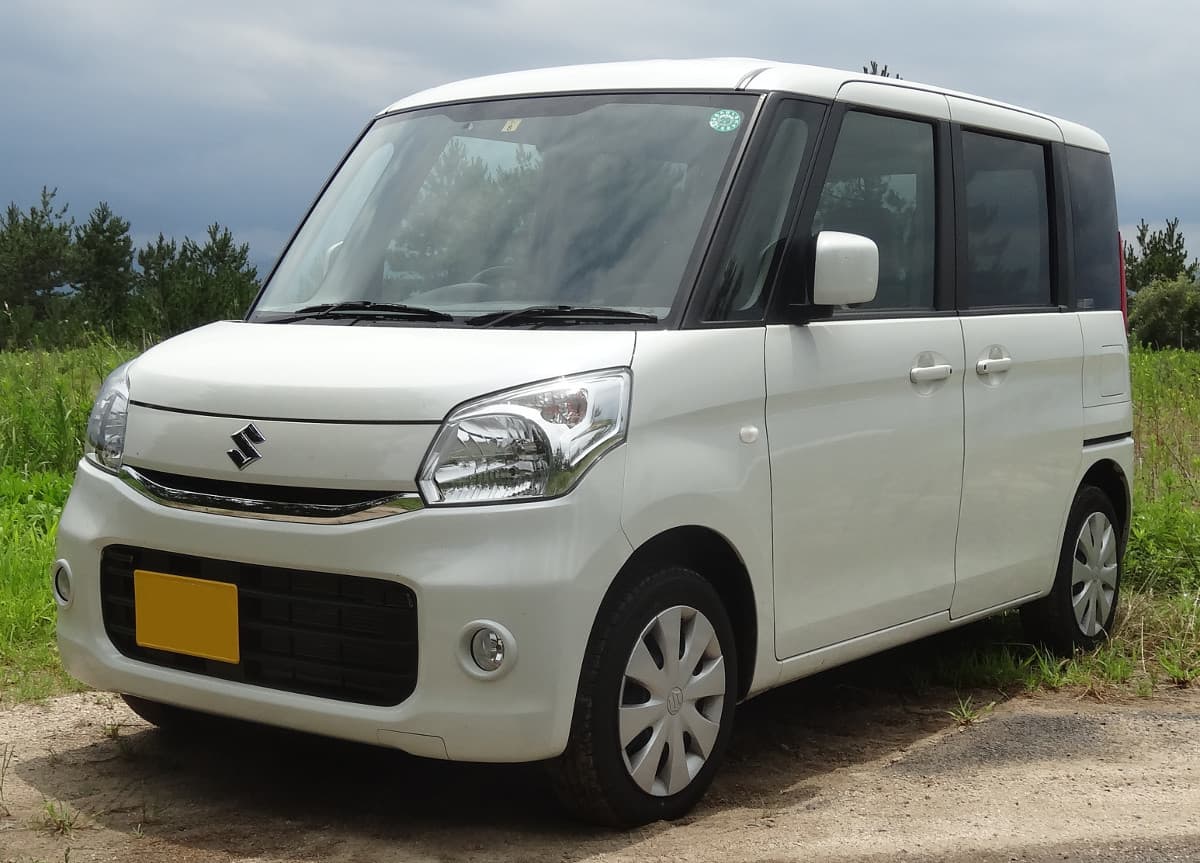
Check this exact Suzuki Spacia Custom
- Odometer history
- Money owing
- Reported stolen
- Ownership history
7
Major
$600–$2,000
5
Start your free check on this Suzuki Spacia Custom
Can't confirm for this car
Suzuki Spacia Custom
Nothing has been narrowed yet, so nothing below is a claim about a particular car. Pick a year and an engine to see which faults apply.
Tell us the engine, or check the engine code on the car, before relying on this.
matched on no vehicle context
What to look out for
Costly issue
Test drive with a cold engine and feel for shudder during take-off.
CVT Belt and Pulley Judder on Take-Off
The CVT develops shudder as the steel push-belt wears the pulley cone surface coating. The problem is most pronounced on cold mornings and under moderate acceleration from rest. Correct CVT fluid (Suzuki CVTF TC or equivalent) is essential — incorrect fluid dramatically accelerates wear.
What you would notice
Costly issue
Look for blue smoke from the exhaust during the test drive — most visible on engine braking downhill.
R06A Turbo Oil Seal Failure and Blue Smoke
The R06A 0.66T turbo engine oil seal on the turbocharger wears with age, allowing oil to enter the exhaust system. Blue smoke appears on engine braking (overrun) and startup. Extended oil change intervals accelerate the seal deterioration significantly.
What you would notice
Costly issue
Inspect ball joint rubber boot for splitting or missing.
Front Lower Suspension Arm Ball Joint Wear
Front lower control arm ball joints wear causing clunking and handling imprecision. Ball joint wear is common on kei cars with small-diameter joints subjected to the full weight of the vehicle.
What you would notice
Costly issue
During the test drive, check for pulling under braking.
Brake Caliper Slide Pin Seizure
Front brake caliper slide pins seize from corrosion, causing the caliper to bind and apply uneven pressure to the rotor. This causes rapid pad wear on one side, pulling under braking, and rotor heat damage.
What you would notice
Costly issue
Connect a Suzuki-compatible scanner and check for P1B00-series hybrid battery codes.
Mild Hybrid 48V Lithium Battery Cell Imbalance
The MJ55S Spacia mild hybrid uses a 48V lithium-ion battery for the belt-integrated starter generator. Individual cell voltage imbalance degrades overall battery capacity and can trigger hybrid system warnings, reducing fuel economy as the combustion engine compensates for reduced electric assist.
What you would notice
Costly issue
Test steering during the test drive at various speeds — consistent assistance at all speeds is correct.
Electric Power Steering Motor Failure
The EPS column-mounted motor can fail causing sudden loss of power assistance. Failure can be gradual (increasing effort over months) or sudden (complete loss without warning).
What you would notice
See all 7 documented issues
Depends on which engine this Suzuki Spacia Custom has — 7
Engine, transmission & cooling
01CVT Belt and Pulley Judder on Take-Off
Can't confirm for this car
Can't confirm for this car
The CVT develops shudder as the steel push-belt wears the pulley cone surface coating. The problem is most pronounced on cold mornings and under moderate acceleration from rest. Correct CVT fluid (Suzuki CVTF TC or equivalent) is essential — incorrect fluid dramatically accelerates wear.
Symptoms to notice
What to check
Ask the seller
Electrical
01Mild Hybrid 48V Lithium Battery Cell Imbalance
Can't confirm for this car
Can't confirm for this car
The MJ55S Spacia mild hybrid uses a 48V lithium-ion battery for the belt-integrated starter generator. Individual cell voltage imbalance degrades overall battery capacity and can trigger hybrid system warnings, reducing fuel economy as the combustion engine compensates for reduced electric assist.
Symptoms to notice
What to check
Ask the seller
02Electric Power Steering Motor Failure
Can't confirm for this car
Can't confirm for this car
The EPS column-mounted motor can fail causing sudden loss of power assistance. Failure can be gradual (increasing effort over months) or sudden (complete loss without warning).
Symptoms to notice
What to check
Ask the seller
03Power Sliding Door Cable Fraying and Motor Failure
Can't confirm for this car
Can't confirm for this car
The power sliding door cables fray at the guide pulleys after repeated operation, and door motors can fail under increased load from corroded or damaged tracks. Symptoms include slow door operation, intermittent stops mid-travel, and error messages on the instrument cluster.
Symptoms to notice
What to check
Ask the seller
Body, brakes, suspension & interior
01Front Lower Suspension Arm Ball Joint Wear
Can't confirm for this car
Can't confirm for this car
Front lower control arm ball joints wear causing clunking and handling imprecision. Ball joint wear is common on kei cars with small-diameter joints subjected to the full weight of the vehicle.
 Example of the part — not this vehicle
A separated lower ball joint: the control arm has dropped and the wheel has splayed out under the guard.
Symptoms to notice
What to check
Ask the seller
02Brake Caliper Slide Pin Seizure
Can't confirm for this car
Can't confirm for this car
Front brake caliper slide pins seize from corrosion, causing the caliper to bind and apply uneven pressure to the rotor. This causes rapid pad wear on one side, pulling under braking, and rotor heat damage.
Symptoms to notice
What to check
Ask the seller
Fluid leaks
01R06A Turbo Oil Seal Failure and Blue Smoke
Can't confirm for this car
Can't confirm for this car
The R06A 0.66T turbo engine oil seal on the turbocharger wears with age, allowing oil to enter the exhaust system. Blue smoke appears on engine braking (overrun) and startup. Extended oil change intervals accelerate the seal deterioration significantly.
Symptoms to notice
What to check
Ask the seller
What these repairs cost on other cars
Some of the Suzuki Spacia Custom’s documented faults are repairs other models share. Each page lists the documented NZ cost for every model it affects.
Other Suzuki models
Suzuki Spacia Custom buyer questions
Is the Suzuki Spacia Custom reliable?
Like any used car, it depends on the specific example and its service history. Across the 7 documented faults for the Suzuki Spacia Custom, the recurring problem areas are electrical, transmission, and fluid leaks. A Suzuki Spacia Custom with a full service history and no signs of the issues listed on this page can be a sound buy but each one needs to be checked individually before you commit.
What are the most common problems with a used Suzuki Spacia Custom?
We've catalogued 7 known faults for the Suzuki Spacia Custom, covering electrical, transmission, and fluid leaks. All 7 are written out in full on this page, with the symptoms to notice, what to inspect, and typical repair costs for each. Free to read, no account needed.
How much do repairs cost on a Suzuki Spacia Custom?
Most single repairs on the Suzuki Spacia Custom fall between $600–$2,000 at NZ independent-workshop rates. Some of the 7 documented faults cost less and a few cost considerably more, and no one car needs them all. Knowing which ones to look for before you view is what lets you negotiate the price down or walk away.
Should I get a pre-purchase inspection on a Suzuki Spacia Custom?
Yes. A Suzuki Spacia Custom inspection focused on its known weak points is the single best way to avoid an expensive mistake. KickTyres gives you a guided, model-specific inspection plus a market valuation and negotiation figure for $24.90 far less than the cost of missing one of the faults on this page.