How to tell if a used ute has been worked to death
Two dual-cabs with the same badge, the same year and the same odometer can be thousands of dollars apart in what they are actually worth. Here are the checks that separate them, in the order to do them, before you hand over anything.
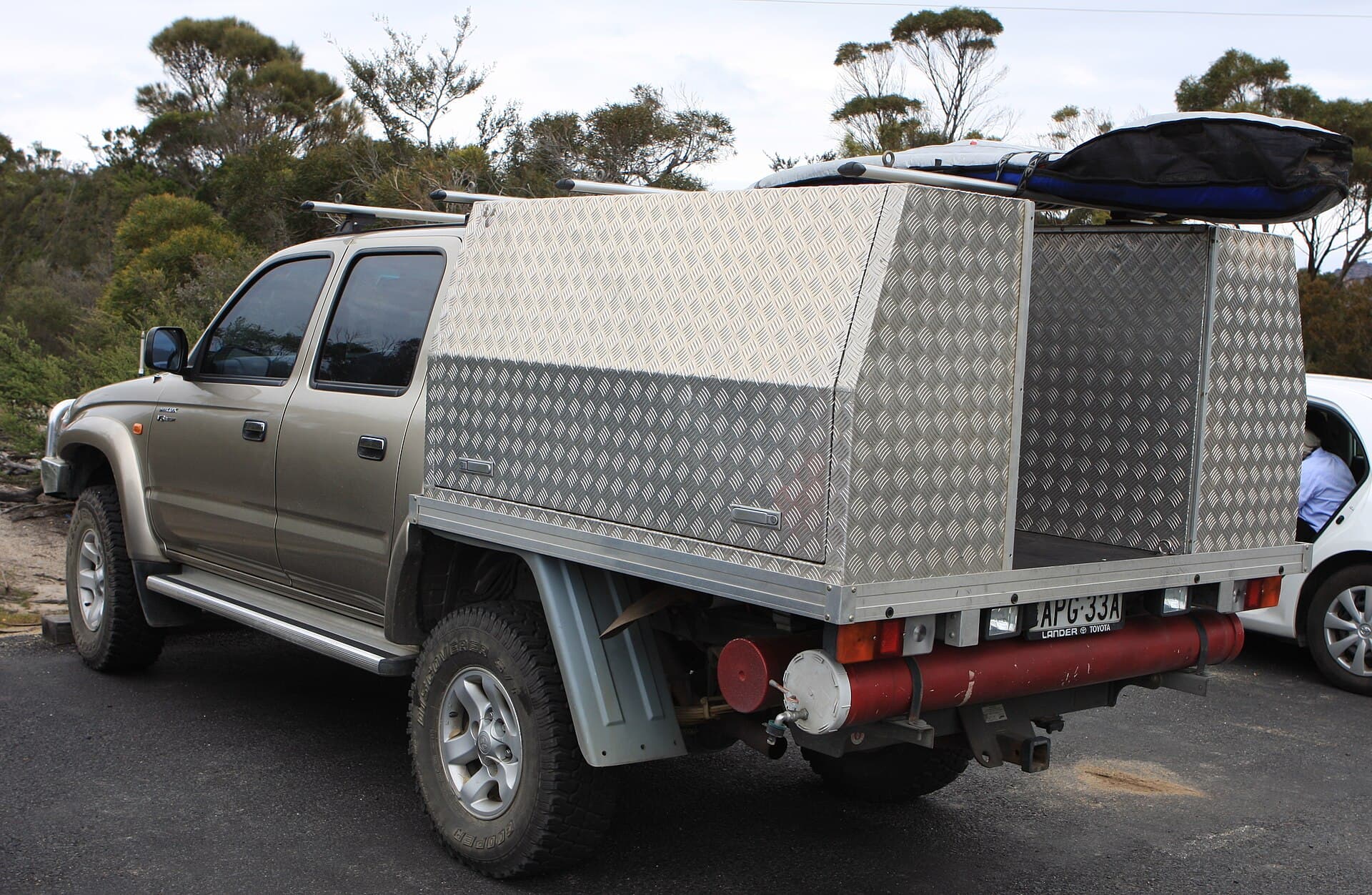
A ute does not wear out evenly. It wears out in the places it was asked to work, which means two identical-looking dual-cabs can be completely different vehicles underneath. One towed a caravan north twice a year. The other spent five years carrying a tonne of scaffolding up a hill and idling on a site for forty minutes at a time.
The odometer will not tell you which is which. These will, and none of them needs a hoist.
1. Start at the towbar, because it cannot lie
A tow ball polished to bare, shiny steel across the top and scored around the neck has done serious work. A ball with its paint intact, or a light film of rust, has done almost none. While you are down there, look at the wiring plug: one worn loose in its socket, or a bundle of tape where a trailer lead was repaired, means constant use rather than the "only ever towed a box trailer once" you were just told.
It matters because towing at or near capacity is the hardest thing an owner can do to an automatic transmission and a turbo, and it leaves no other trace anywhere in the paperwork.
2. Read the tray or the tub like a diary
- Gouges and dents across the tray floor, spaced like something heavy landed on it repeatedly, mean a trade vehicle rather than a lifestyle one.
- Bolt holes in the tray rails or the chassis with nothing on them now mean the toolbox came off before the sale. Ask what else came off.
- Look under the tray at the chassis rails, especially where a tow hitch or a tray subframe was bolted on. Cracks or repair welds around those mounts are a walk-away, not a bargaining chip.
- Sagging rear leaf springs, or a rear that sits noticeably lower than the front on flat ground, means it carried weight for a living.
3. Ask one question about the diesel, then listen hard
The question is: what sort of trips did it do? You are listening for short ones. A modern diesel has a particulate filter that only cleans itself properly on a sustained run at temperature, and a ute that did twenty-minute site hops for five years has a filter that has been part-regenerating and re-clogging that entire time.
It arrives as a warning light, then a limp mode, then a bill that runs to four figures for a new filter. On some engines the fuel injected during failed regeneration attempts washes past the rings and dilutes the oil, which is a far more expensive conversation than the filter.
4. Drive it the way it was worked, not the way you shop
A gentle lap of the block proves nothing. You want the automatic shifting under load, so find a hill and use it. You are feeling for a shift that flares, a shudder that comes and goes at light throttle, and a delay longer than about a second when it drops a gear. Any of those on a heavily-worked ute is a transmission that has been cooked by towing.
On a manual, pull away on that hill from a standstill. A clutch that grabs high, or that smells faintly like a hairdryer afterwards, is at the end of its life. On a four-wheel-drive, actually engage four-wheel-drive on a loose surface and listen for graunching from the front hubs.
5. Look for the fleet fingerprints
Ex-fleet is not automatically bad. Fleets service on time because a spreadsheet makes them. What you want to know is which fleet.
- Adhesive shadows on the doors where signage was peeled off, and holes in the roof or tray from beacons and aerials.
- Base-model spec with high-end wear: vinyl floors, steel wheels, and a driver's seat bolster that is completely destroyed.
- Reddish dust in the seat rails, the spare wheel well and the air-box, which is the signature of a mine or an unsealed-road life. That dust also means the air filter and the CV boots deserve a much closer look.
6. Then, and only then, look up the model
Everything above tells you how this individual vehicle was used. It does not tell you what this model does when it is used that way, and that part is knowable before you leave the house.
Every mainstream dual-cab has its own documented pattern, and they are not the same pattern. A Ranger, a HiLux, a D-Max, a Triton, a Navara and an Amarok fail in different places, at different mileages, for different money. Knowing which three things to look at on the exact model in front of you turns a viewing from a vibe check into an inspection.
The one-page version
- 1.Tow ball and trailer plug: how hard it really worked.
- 2.Tray floor, chassis rails and rear ride height: what it carried.
- 3.What trips it did, then a cold start you perform yourself.
- 4.A test drive under load, on a hill, in every drive mode it has.
- 5.Signage shadows, beacon holes and red dust: whose vehicle it was.
- 6.The documented faults for that exact model, engine and year, read before you go.
Know the three things to look at before you get there
Type the plate and read every documented fault for that model, engine and year. Free, no account.
Check the model before you view
Every documented fault for these models, with the years and engines each one applies to.
Frequently asked questions
How can you tell if a used ute has been used for towing?
The towbar gives it away before the seller does. A tow ball worn to bare, polished steel across its upper surface and scored around the neck has done heavy, repeated towing, while a ball with intact paint or light surface rust has barely been used. A trailer plug worn loose in its socket, or repaired with tape, says the same thing. It matters because towing near capacity is the hardest work an owner can give an automatic transmission and a turbo.
Is an ex-fleet or ex-mine ute a bad buy?
Not automatically. Fleets tend to service strictly on schedule because a system enforces it, which is more than many private owners manage. What you are trying to establish is the kind of work it did. Reddish dust in the seat rails, spare wheel well and air-box points to unsealed roads or a mine site, which puts the air filter, CV boots and underbody at the top of your inspection list rather than ruling the vehicle out.
What is the most expensive thing to go wrong on a used diesel ute?
On a ute that lived on short trips, the diesel particulate filter and everything downstream of a failed regeneration. The filter only cleans itself properly on a sustained run at temperature, so years of twenty-minute journeys leave it repeatedly part-cleaned and re-clogged. That ends as a warning light, then limp mode, then a four-figure filter. Worse, on some engines the fuel injected during failed regeneration attempts dilutes the engine oil, which threatens the engine itself.
Keep reading