Half of Australia's used sellers cut their price before the car sold
Australians bought 1,300,018 used vehicles in the first half of 2026, and by June more than half of all one-to-five-year-old cars sold for less than the sticker on the windscreen. The leverage has moved to the buyer. Here is how to spend it.
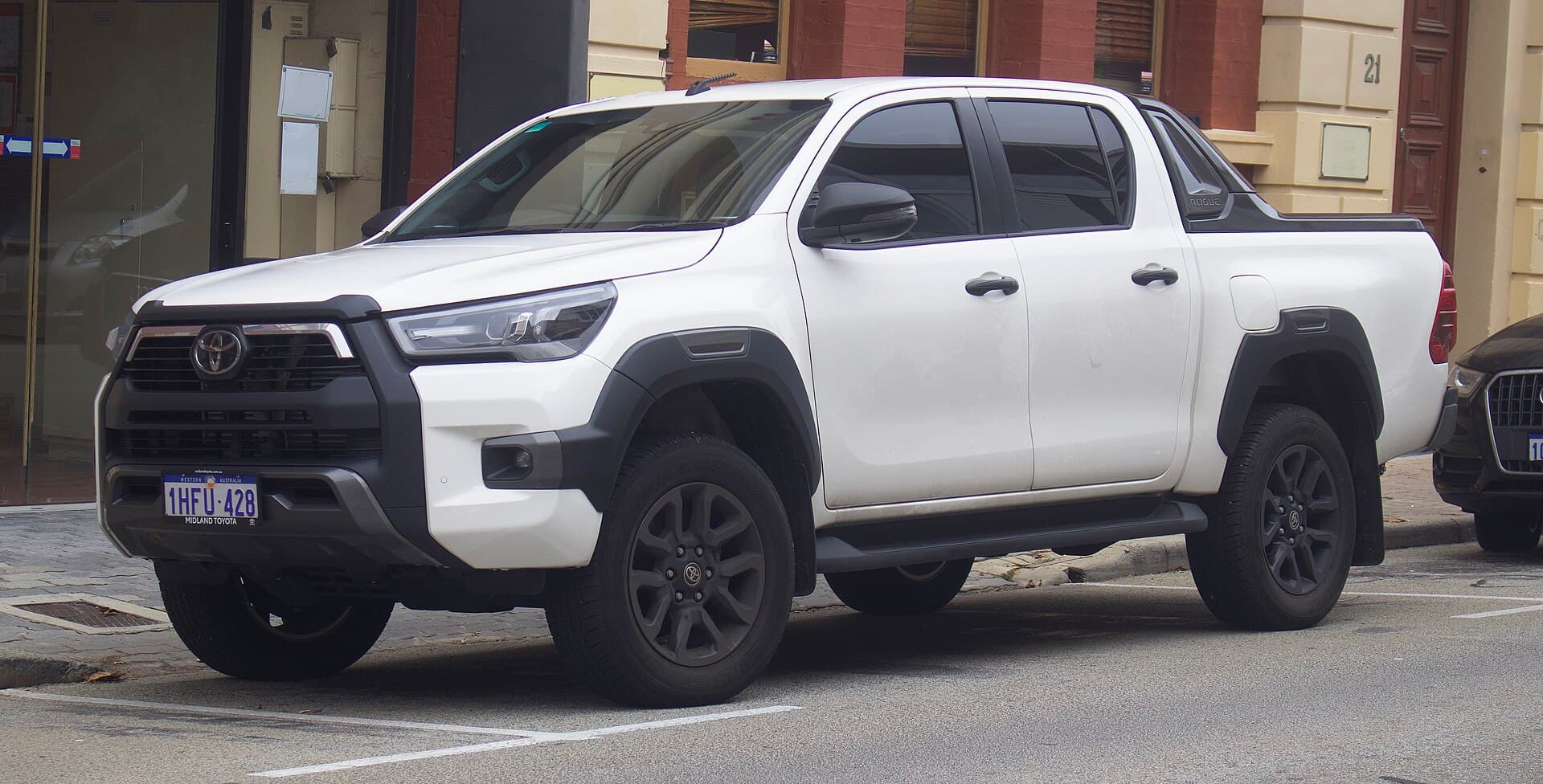
For about four years, buying a used car in this country felt like turning up to an auction you had already lost. You asked whether there was any movement on the price and the seller looked at you the way a landlord looks at a rental application. There were three other people coming at four.
That market is over. The first half of 2026 is the clearest evidence yet, and the number that tells the story is not a price. It is who moved first.
The numbers, in the order that matters
- 1.In June, 51.1 per cent of one-to-five-year-old used vehicles had their asking price cut before they sold. Not haggled down at the kerb. Cut, in the listing, by a seller watching the car sit.
- 2.The average size of that cut was 3.7 per cent. On a $45,000 dual-cab that is roughly $1,600 the seller gave away before you opened your mouth.
- 3.1,300,018 used vehicles changed hands nationally in the first six months of the year, 6.6 per cent fewer than the same stretch of 2025. June alone was down 16.2 per cent year on year.
Fewer buyers, the same cars, and sellers who now have to compete for you. That is the whole mechanism. The figures come from the joint AADA and AutoGrab tracking of the national used market, which counts actual retail transactions rather than asking prices, so it does not flatter anyone.
Why it turned
Supply caught up and then kept going. The shortage years pulled demand forward, new-vehicle deliveries have been strong since, and every strong year becomes a wave of trade-ins and ex-fleet stock two to three years later. That wave is landing now.
At the same time the new-car end has gone to war on price, with a dozen brands that barely existed here five years ago buying share. When a new car gets cheaper, everything three years old sitting behind it has to get cheaper too, or it simply does not sell.
The used EV plot twist
Here is the part nobody predicted last year. Used electric cars, the segment everyone wrote off as a depreciation horror story, are now the fastest-moving thing on the market. Used EV sales rose 54.6 per cent year on year, and the average time one takes to sell fell from over 60 days in January to under 40 by June.
They got cheap enough to be interesting, and buyers noticed. A Model 3 at a price that used to buy a mid-spec hatchback is a genuinely different proposition, provided you know what the battery has been through, which is exactly the thing a listing photo cannot show you.
How to actually spend the leverage
- Let the car sit. Days on market is now your best friend. A listing that has been up for six weeks has a seller who has already had the conversation with themselves.
- Negotiate on findings, not on feelings. "Would you take less" invites a no. "This model eats front wheel bearings around 120,000km, yours is at 140,000km and there is no record of one" invites a number.
- Do not confuse a soft market with a safe one. Prices falling across a segment tells you nothing about the specific vehicle in front of you. Read what is documented against that exact model, engine and year first, then go and look at the car with a list.
Utes are the sharp end of all this, because they are what the country buys and what fleets dump. A used HiLux, Ranger or D-Max that spent five years on a work site and one on a driveway looks identical to one that did the school run, right up until the diesel particulate filter bill arrives.
Turn a soft market into a good buy
Type the plate and read every documented fault for that exact model, engine and year. Free, no account.
Check the model before you view
Every documented fault for these models, with the years and engines each one applies to.
Frequently asked questions
Are used car prices falling in Australia in 2026?
Yes, and the clearest sign is not the headline price but who moves first. In June 2026, 51.1 per cent of one-to-five-year-old used vehicles had their asking price cut before the sale, by an average of 3.7 per cent, while total used sales for the first half of the year fell 6.6 per cent to 1,300,018 vehicles. Fewer buyers chasing the same stock puts the negotiating power on your side of the table.
Is now a good time to buy a used car?
It is a better time to negotiate than any point since 2021, which is not the same as every car being a good buy. A soft market discounts good cars and bad cars alike, and a long-listed vehicle with a falling price may simply be one that other buyers inspected and walked away from. Spend the leverage on a car you have checked, not on the first one that has dropped in price.
Why are used electric cars selling so quickly now?
Because they finally got cheap. Used EV sales rose 54.6 per cent year on year in the first half of 2026 and the average days-to-sell fell from over 60 in January to under 40 in June. The risk did not disappear with the price, though. On any used EV the traction battery is the headline item, so get a state-of-health reading and read the documented faults for that specific model and generation before you commit.
Keep reading